


Hands-On Healthcare Training: Elevate Your Nursing Skills
In the fast-paced world of healthcare, practical experience is just as important as theoretical knowledge. Hands-on healthcare training bridges the gap between classroom learning and real-world application. It equips nursing professionals with the confidence and competence needed to provide exceptional patient care. Whether you are just starting your nursing journey or looking to sharpen your skills, engaging in hands-on training can transform your approach and elevate your career.
Why Hands-On Healthcare Training Matters
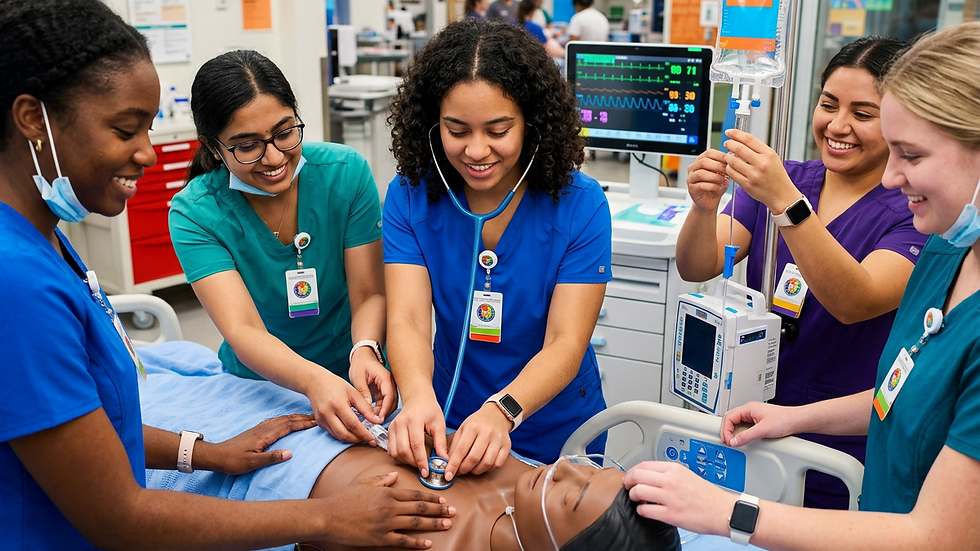
Healthcare is a field where precision and quick decision-making can save lives. Reading about procedures or watching videos is helpful, but nothing compares to practicing skills in a controlled, supervised environment. Hands-on healthcare training allows you to:
Build muscle memory for essential nursing tasks.
Develop critical thinking by responding to realistic scenarios.
Gain confidence in performing procedures independently.
Improve communication with patients and healthcare teams.
Adapt to new technologies and equipment through direct use.
For example, practicing intravenous (IV) insertion on a mannequin helps you understand vein anatomy and needle angles before working with real patients. This reduces anxiety and errors when you transition to clinical settings.

How Hands-On Healthcare Training Enhances Nursing Skills
Hands-on training is not just about repetition; it’s about learning through doing and reflecting. Here’s how it elevates your nursing skills:
1. Realistic Simulation of Patient Care
Simulations mimic real-life medical situations, from routine checkups to emergencies. This immersive experience helps you:
Recognize symptoms quickly.
Prioritize patient needs.
Practice teamwork and communication.
Manage stress in high-pressure environments.
For instance, a simulation of a cardiac arrest scenario teaches you how to perform CPR effectively while coordinating with other healthcare providers.
2. Immediate Feedback and Correction
During hands-on sessions, instructors observe your technique and provide instant feedback. This allows you to:
Correct mistakes before they become habits.
Understand the rationale behind each step.
Ask questions and clarify doubts on the spot.
This feedback loop accelerates learning and ensures you develop safe, effective practices.
3. Exposure to Medical Equipment and Technology
Healthcare technology evolves rapidly. Hands-on training familiarizes you with:
Monitoring devices.
Diagnostic tools.
Medication administration systems.
Being comfortable with equipment reduces errors and improves patient outcomes. For example, learning to operate an infusion pump during training prepares you for its use in clinical settings.
Practical Tips for Maximizing Hands-On Healthcare Training
To get the most out of your hands-on training, consider these strategies:
Prepare in advance: Review relevant theory and procedures before sessions.
Stay engaged: Ask questions and participate actively.
Practice regularly: Repetition builds confidence and skill retention.
Reflect on experiences: Identify areas for improvement and set goals.
Seek diverse experiences: Exposure to different scenarios broadens your competence.
Remember, hands-on training is a safe space to make mistakes and learn from them. Embrace challenges as opportunities to grow.
Finding Quality Hands-On Healthcare Training Programs
Choosing the right training program is crucial. Look for programs that offer:
Certified instructors with clinical experience.
Comprehensive curriculum covering essential nursing skills.
Access to modern simulation labs and equipment.
Flexible scheduling to accommodate working professionals.
Support for certification and continuing education.
One excellent resource is bps health education anderson, which provides tailored healthcare training designed to meet the needs of aspiring and current nursing professionals. Their hands-on approach ensures you gain practical skills that employers value.
Continuing Your Nursing Education Through Hands-On Training
Healthcare is an ever-changing field. Continuous learning keeps your skills sharp and your knowledge current. Hands-on training supports lifelong education by:
Offering refresher courses on critical procedures.
Introducing new techniques and technologies.
Preparing you for advanced certifications.
Enhancing your ability to mentor others.
For example, a refresher course on wound care can update your knowledge on the latest dressing materials and infection control practices. This ongoing education benefits both your patients and your career progression.
Embracing Hands-On Training for Career Advancement
Hands-on healthcare training is a powerful tool for career growth. It helps you:
Stand out in job applications with proven practical skills.
Take on specialized roles such as IV therapy or patient education.
Increase your earning potential through certifications.
Build a professional network with instructors and peers.
Employers value nurses who demonstrate competence and confidence in clinical skills. By investing in hands-on training, you position yourself as a reliable and skilled healthcare provider.
Hands-on healthcare training is more than just practice - it’s a pathway to becoming a skilled, confident nurse. By engaging fully in these learning experiences, you build the foundation for a rewarding and impactful career. Whether you are starting out or seeking to advance, practical training will elevate your nursing skills and open doors to new opportunities. Take the step today to enhance your expertise and make a difference in patient care.


Comments