


Best Practices for Certified Nursing Assistants to Provide Excellent Patient Care and Avoid Getting Sued
- May 6
- 5 min read
Providing excellent patient care is the heart of a certified nursing assistant’s (CNA) job. At the same time, CNAs must be careful to avoid legal issues that can arise from mistakes or misunderstandings. Balancing compassionate care with professional responsibility is key to success in this role. I want to share practical tips and best practices that help CNAs deliver top-quality care while protecting themselves from legal risks.

Certified nursing assistant providing compassionate care to an elderly patient
Understanding Your Role and Responsibilities
As a CNA, you are a vital part of the healthcare team. Your duties often include helping patients with daily activities like bathing, dressing, eating, and moving around. You also monitor vital signs and report changes to nurses or doctors. Knowing exactly what your job entails helps you stay focused and avoid errors.
Always follow the care plan created by nurses or doctors.
Never perform tasks outside your training or scope of practice.
Keep clear and accurate records of the care you provide.
Communicate any concerns or changes in a patient’s condition immediately.
Understanding your limits protects patients and yourself. For example, if a patient needs medication, you must not administer it unless you are specifically trained and authorized. This reduces the risk of harm and legal trouble. Another example and potential liability, the plan of care calls for a two person transfer, but the other CNA is busy. Although it may cause a slight delay, do not attempt to complete the transfer on your own. If you or the patient becomes injured, your employer may not support you as your did not follow the care plan.
Building Strong Communication Skills
Good communication is essential for excellent patient care and avoiding misunderstandings that can lead to lawsuits. Speak clearly and listen carefully to patients, their families, and your healthcare team.
Use simple language patients can understand.
Confirm instructions by repeating them back.
Document conversations about care or changes in condition.
Report any complaints or concerns promptly to supervisors.
For instance, if a patient expresses pain or discomfort, take it seriously and inform the nurse right away. Clear communication helps catch problems early and shows you are attentive and responsible. Report or record what the patient tells you using quotations such as "Mrs. B states that she has a headache that feels like a 'jackhammer' in her head."
Practicing Proper Documentation
Documentation is your best defense if questions arise about the care you provided. Write down everything accurately and promptly.
Record vital signs, care activities, and patient responses.
Note any incidents or unusual events immediately.
Use objective language without personal opinions.
Keep records confidential and secure.
Good documentation creates a clear timeline of care. If a patient or family questions your actions, your notes provide evidence of your professionalism and attention. Do not forget that your documentation is a legal record of what happened to the patient at that time.
Following Infection Control Procedures
Preventing infections protects patients and staff. Always follow infection control guidelines carefully.
Wash your hands before and after patient contact.
Use gloves and other protective gear as required.
Clean and disinfect equipment properly.
Dispose of waste safely.
Infections can cause serious harm and lead to legal claims. By following these steps, you reduce risks and show your commitment to patient safety. Use Universal Precautions any time you will come into contact with bodily fluids. Always follow your organization's policies and procedures.
Using Proper Body Mechanics and Patient Handling
Injuries to patients or yourself can happen if you don’t use correct techniques when moving or lifting. This is a common source of accidents and lawsuits.
Always ask for help when lifting heavy patients.
Use assistive devices like transfer belts or lifts.
Keep your back straight and bend your knees when lifting.
Move patients gently and explain what you are doing.
For example, using a product like a transfer belt and mechanical lift can make patient transfers safer and easier. This device supports both the patient and CNA, reducing strain and injury risk.
Managing Patient Privacy and Confidentiality
Respecting patient privacy is not only ethical but also a legal requirement under laws like HIPAA. Protecting confidential information avoids lawsuits and builds trust.
Share patient information only with authorized staff.
Keep records and charts out of public view.
Avoid discussing patients in public areas.
Secure electronic devices and passwords.
If you are unsure about sharing information, ask your supervisor. Protecting privacy shows professionalism and care. Do not post pictures, descriptions, or details about your patients on social media. HIPPA violations carry hefty fines, can result in termination of employment, and in some cases, criminal consequences depending on the nature of the post and individuals involved.
Handling Patient Complaints and Concerns
Sometimes patients or families may be unhappy with care. How you respond can prevent problems from escalating.
Listen calmly and respectfully.
Acknowledge their feelings without arguing.
Report complaints to your nurse or supervisor immediately.
Follow up to ensure concerns are addressed.
For example, if a patient complains about pain management, notify the nurse right away. Prompt action can resolve issues and prevent legal claims.
Continuing Education and Training
Healthcare is always changing. Staying up to date with training helps you provide the best care and avoid mistakes.
Attend workshops and refresher courses regularly.
Learn about new equipment and procedures.
Understand changes in laws and regulations.
Use resources like Baxter Professional Services Health Education for certifications and training.
Baxter Professional Services Health Education offers courses that keep CNAs current and confident in their skills. This ongoing learning supports safe, high-quality care.

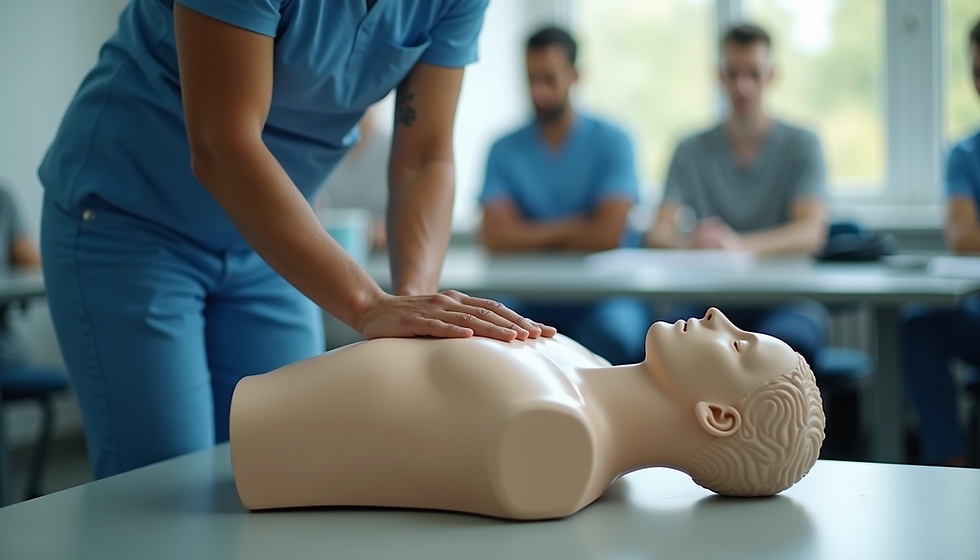
Certified nursing assistant participating in continuing education
Using Technology to Improve Care and Documentation
Technology can help CNAs work more efficiently and reduce errors. Electronic health records (EHRs) and mobile apps make documentation easier and more accurate.
Use EHR systems to update patient information in real time.
Access care plans and medication lists quickly.
Use apps for reminders and checklists.
Ensure you are trained on any technology you use.
Staying Calm and Professional Under Pressure
Healthcare environments can be stressful. Staying calm helps you think clearly and avoid mistakes.
Take deep breaths and focus on the task.
Prioritize urgent needs first.
Ask for help when overwhelmed.
Maintain a respectful attitude with patients and coworkers.
Remaining professional even in tough situations shows your dedication and helps prevent conflicts that could lead to complaints or lawsuits. For a free relaxation video, you can download it from Baxter Professional Services Health Education in our video library.

Calm and professional care supports patient trust and safety
Summary and Next Steps
Providing excellent patient care while avoiding legal trouble requires attention to detail, clear communication, and ongoing learning. By understanding your role, documenting carefully, following safety procedures, and respecting patient privacy, you build trust and protect yourself.
Continuing education through programs like Baxter Professional Services Health Education keeps your skills sharp and your knowledge current.
Take these best practices to heart. They will help you provide the best care possible and keep your career on a strong, secure path. Remember, your work makes a real difference in patients’ lives every day. Keep learning, stay careful, and always put patient safety first.


Comments